
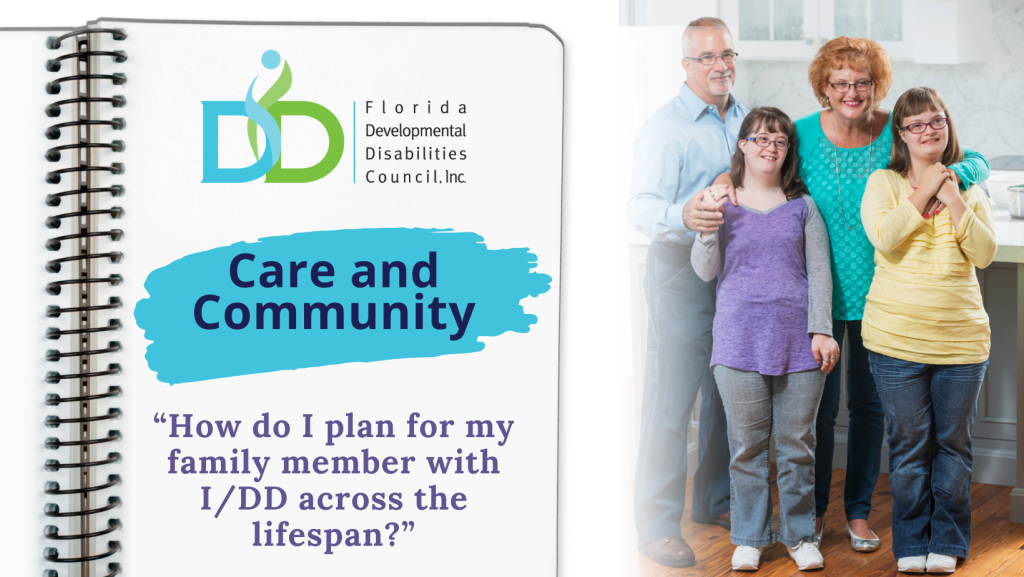
Caring for and supporting a loved one with an intellectual or developmental disability (I/DD) is a lifelong journey. From early childhood through adulthood and into the senior years, every stage of life brings unique challenges and opportunities. Families often ask the same question: How do I plan for my family member’s future so they can thrive, live independently where possible, and remain safe and supported throughout their life?
Planning ahead is not just about making decisions for today—it’s about building a roadmap that evolves with your loved one’s needs. Whether you are a parent, sibling, or guardian, understanding the key steps across each stage of life helps create stability and peace of mind.
Why Developmental Disabilities Future Planning Matters for Individuals with I/DD
Think of planning like constructing a house. You wouldn’t just start with a roof—you’d lay a foundation, build walls, and gradually add finishing touches. In the same way, a plan for your family member with I/DD must start early and continue to grow as they do.
Without a plan, families may face crisis-driven decisions when a parent becomes ill or passes away. A well-thought-out approach ensures that support systems, legal protections, and community resources are already in place.
Early Childhood: Building the Foundation
1. Access Early Intervention Services
From birth to age three, early intervention is critical. Programs like Early Steps in Florida provide therapies and developmental support to help children build communication, motor, and social skills. These services are not just for the child—they also empower parents with strategies to support daily routines.
2. Understand Your Rights
Families should become familiar with the Individuals with Disabilities Education Act (IDEA), which guarantees early intervention and special education services. Knowing your rights means you can advocate effectively for your child.
3. Start Creating a Support Network
The early years can feel isolating. Connecting with other families, parent support groups, and advocacy organizations such as the Florida Developmental Disabilities Council helps parents feel less alone and more informed.
School Years: Laying the Bricks
1. Develop an Individualized Education Plan (IEP)
An IEP is the roadmap for your child’s education. Work closely with teachers, therapists, and administrators to make sure goals reflect your child’s strengths and areas of growth.
Ask questions like:
- What transition skills are being taught?
- How is my child being included with peers?
- Are life skills part of the curriculum?
2. Encourage Self-Advocacy
Even young children can begin to express preferences. Encouraging them to make choices—what to wear, what to eat—builds independence. As they grow, involve them in IEP meetings so they learn to speak up for themselves.
3. Explore Community Activities
Inclusion doesn’t stop at school. Sports teams, art classes, and community programs build social skills and expand support networks. Look for inclusive opportunities that help your child feel part of the larger community.
Adolescence: Building Independence
1. Transition Planning
By age 12, transition planning should be part of the IEP. This includes preparing for employment, higher education, or vocational training.
Think about questions like:
- What skills does my child need for adult life?
- What career paths match their strengths?
- What living arrangements might be possible?
2. Pre-Employment and Job Training
Work experiences, internships, and volunteer opportunities help adolescents explore their abilities. Vocational rehabilitation services in Florida can connect families with employment resources and job coaches.
3. Focus on Daily Living Skills
Cooking, budgeting, hygiene, and transportation are all skills that foster independence. Practicing them during adolescence increases confidence and reduces reliance on others later.
Adulthood: Expanding the Structure
1. Postsecondary Education and Career Pathways
Some individuals with I/DD thrive in college programs designed for students with disabilities. Others may prefer trade schools or community-based training. Florida offers inclusive postsecondary programs that blend academics, employment preparation, and social opportunities.
2. Employment Supports
Meaningful employment is not only possible but essential for independence and self-worth. Supported employment programs help individuals secure jobs that align with their interests. Job coaches can provide ongoing support in the workplace.
3. Independent or Supported Living
Housing is a critical piece of planning for adulthood.
Options may include:
- Living at home with family
- Shared living arrangements with roommates
- Group homes or supported living programs
- Independent apartments with in-home supports
Families should explore local housing options early, as waitlists can be long.
4. Legal and Financial Planning
At 18, your family member becomes a legal adult. Developmental disabilities future planning is crucial to ensure they are protected.
Consider:
- Guardianship or supported decision-making
- Special Needs Trusts to protect eligibility for benefits
- ABLE accounts for tax-advantaged savings
Consulting with an attorney who specializes in disability law can help families avoid costly mistakes.
Middle Age: Reinforcing the Framework
1. Health and Wellness
As individuals age, new health concerns may arise. Regular medical care, preventive screenings, and access to specialists are key to maintaining quality of life. Encouraging exercise, healthy eating, and mental health wellness should be part of the plan.
2. Continuing Employment and Purpose
Some individuals remain employed well into middle age, while others may shift into part-time or volunteer roles. The focus should be on maintaining purpose, connection, and routine.
3. Sibling Involvement
As parents age, siblings often step into larger caregiving roles. It’s important to include them in planning discussions early, ensuring they feel prepared rather than overwhelmed.
Senior Years: Securing the Legacy
1. Long-Term Care Options
As both the individual with I/DD and their caregivers age, housing and care needs often shift. Families should evaluate long-term care facilities, assisted living programs, or expanded in-home supports. Florida agencies and advocacy groups can provide resources for evaluating quality and ensuring person-centered care.
2. Estate and Guardianship Planning
Parents must make legal arrangements to ensure their loved one is cared for after they are gone. This includes:
- Updating wills and trusts
- Assigning guardianship or power of attorney
- Ensuring financial resources are structured to preserve benefits
3. Maintaining Quality of Life
The senior years should still focus on inclusion, relationships, and enjoyment. Social engagement, community involvement, and hobbies continue to be just as important as healthcare.
Practical Steps to Start Planning Now
- Create a Lifespan Binder: Keep medical records, education documents, evaluations, and legal papers in one place.
- Write a Letter of Intent: Document your loved one’s daily routines, likes, dislikes, and support needs. This acts as a guide for future caregivers.
- Engage Professionals: Disability attorneys, financial planners, and healthcare providers can help you navigate complex systems.
- Use State and Community Resources: Organizations like the Florida Developmental Disabilities Council offer toolkits, guides, and advocacy tips.
- Review the Plan Annually: Just like life changes, so should your plan. Make adjustments as your loved one grows.
Conclusion
Developmental disabilities future planning across the lifespan for a family member with I/DD is not a one-time task. Each stage of life brings new opportunities to nurture independence, protect rights, and build a meaningful future. Starting early, staying informed, and using community resources creates a strong foundation for lifelong success.
Families don’t have to do this alone. With the right tools, networks, and strategies, every loved one with I/DD can live a life filled with dignity, independence, and joy.
Frequently Asked Questions
1. How do I plan for a family member with intellectual or developmental disabilities throughout their life?
Lifespan planning involves preparing for each stage of life, from early intervention and education to employment, housing, healthcare, and long-term care. Creating a flexible plan that evolves over time can help ensure stability, independence, and quality of life for your loved one.
2. When should families start planning for the future of a child with developmental disabilities?
Planning should begin as early as possible. Early intervention, educational planning, transition services, financial planning, and future caregiving arrangements are most effective when families start preparing before a crisis occurs.
3. What should be included in a long-term plan for someone with developmental disabilities?
A comprehensive plan may include educational goals, employment opportunities, housing options, healthcare needs, legal protections, financial planning, support networks, and future caregiving arrangements. The plan should be reviewed regularly as needs and circumstances change.
4. How can I prepare for my child with disabilities to become an adult?
Families can prepare by focusing on life skills, self-advocacy, employment exploration, postsecondary education options, independent living skills, and transition planning. Legal and financial decisions, such as guardianship and special needs planning, should also be considered before adulthood.
5. What happens when parents can no longer care for an adult child with developmental disabilities?
Families can prepare by creating a Letter of Intent, identifying future caregivers, establishing legal and financial protections, involving siblings or trusted supporters, and exploring long-term housing and support options. Early planning helps ensure continuity of care and peace of mind.
6. What legal and financial planning tools are available for families of individuals with disabilities?
Common planning tools include Special Needs Trusts, ABLE accounts, guardianship, supported decision-making agreements, wills, powers of attorney, and estate planning documents. These tools can help protect benefits, manage assets, and ensure long-term support.