
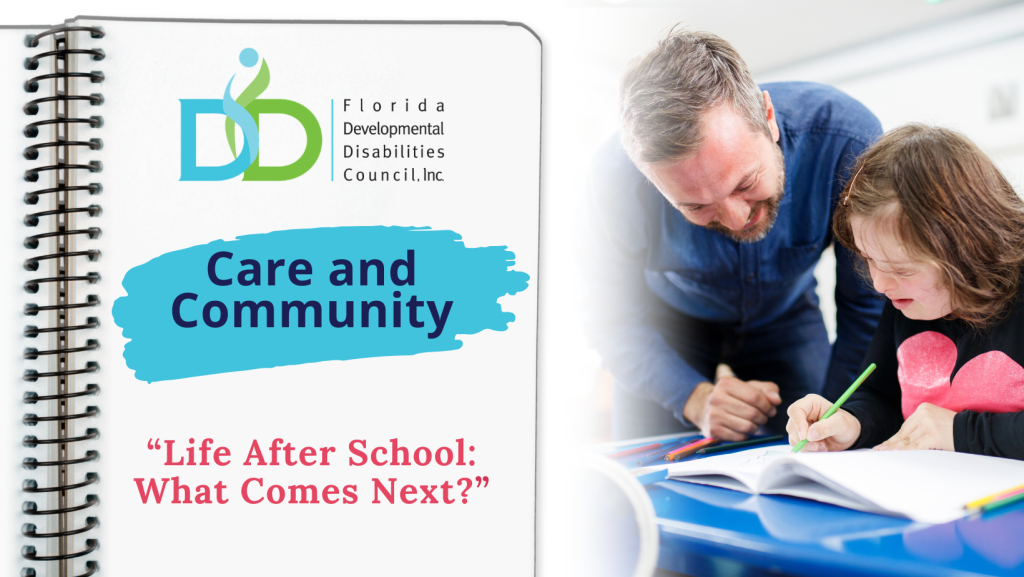
Every parent knows the day will come when their child finishes school. For parents of children with intellectual and developmental disabilities (I/DD), this transition can feel especially overwhelming. The school system provides structure, services, and daily routines that help children thrive.
When that chapter closes, what comes next?
Planning for life after school and other major life transitions is one of the most important steps families can take. While the process may feel daunting, with thoughtful preparation and the right resources, you can create a future filled with opportunity, independence, and stability for your child.
Why Planning for Transitions Is Crucial
Transitions are like bridges between stages of life. Without preparation, families can feel as if they are standing on one side of a river with no way across. The earlier you begin planning that bridge, the smoother the crossing will be.
During childhood, school provides a built-in support system that includes teachers, therapists, Individualized Education Plans (IEPs), and social connections. When school services end, families must ensure those supports continue in new ways.
Graduation may be just one of many transitions occurring at this time, including moving from childhood to adulthood medical providers, considerations about housing options, job training, and/or employment, and building community connections.
Understanding the End of School Services
In Florida and across the United States, students with I/DD are entitled to receive a free public education until age 22. This includes special education services and transition planning.
The final years of school should focus heavily on preparing students for adulthood. Transition services included in the IEP help students develop employment skills, daily living abilities, and community participation. Families who actively participate in this planning process are often better prepared for what comes next.
Steps to Take Before School Ends
1. Start Transition Planning Early
In Florida, transition planning must begin by the age of 14. Starting early gives families time to explore career interests, independent living skills, and identify community engagement opportunities.
2. Identify Post-School Options
Think about what the future might look like.. Will your child work, attend a postsecondary program, volunteer, or participate in a day program? Many communities offer inclusive education and job training programs specifically designed for young adults with I/DD, such as:
- Supported employment programs
- Vocational or trade training
- Inclusive postsecondary education programs
- Adult day training services
Exploring these options early helps families make informed decisions.
3. Connect with Vocational Rehabilitation
Vocational Rehabilitation (VR) services help individuals with disabilities prepare for and maintain employment. Services may include: job coaching, resume development, interview skills, and workplace accommodations.
4. Focus on Life Skills
Preparing for adulthood also means building practical life skills. Encourage your child to practice tasks such as cooking, cleaning, managing money, and using transportation.
5. Explore Legal and Financial Planning
When your child turns 18, they become a legal adult. Families should consider whether guardianship, supported decision-making, or powers of attorney are appropriate.
Financial tools such as Special Needs Trusts and ABLE accounts can also help protect benefits while saving for the future.
Life After School: What Comes Next?
1. Employment and Career Paths
Many individuals with I/DD want to work and can thrive in the right environment. Supported employment programs provide training and job coaching to help individuals succeed in the workplace.
Some part-time work may be ideal, while others pursue full-time careers. The goal is to find meaningful employment that matches the individual’s strengths and interests
2. Postsecondary Education Opportunities
Inclusive college programs for students with I/DD are expanding across Florida.. These programs combine academics, vocational training, and social experiences. Participating in postsecondary programs can help young adults build confidence, independence, and valuable life skills. .
3. Housing and Independent Living
As children grow into adulthood, families often begin to think about long-term living arrangements. Options may include continuing to live at home, sharing an apartment with roommates, or moving to supported living programs. Because housing programs often have long waitlists, it’s important to explore options early.
4. Community Engagement
Living a meaningful life includes more than school or work. Recreation programs, clubs, volunteer opportunities, and social groups help individuals stay connected and engaged.
Other Major Transitions Families Should Plan For
Life includes many transitions beyond leaving school. Families might also consider:
1. Childhood to Adolescence
This stage includes learning about puberty, self-care, personal responsibility, and self-advocacy. Encouraging independence builds confidence for the future.
2. Adolescence to Adulthood
This transition includes changes in legal rights, employment preparation, healthcare providers, and financial planning
3. Moving Out of the Family Home
For many families, this can be one of the most emotional transitions. Exploring housing options early is key to securing the right fit.
4. Entering the Workforce
Employment may require job coaching, workplace accommodations, or transportation planning. Finding the right match between interests and opportunities is key.
5. Caregiver Transitions
Parents and caregivers may not always be able to provide lifelong support. Planning for who will step in—siblings, relatives, or professional caregivers—ensures continuity of care.
Practical Tools That Can Help with Transitions
- Person-Centered Planning: This approach focuses on the individual’s strengths, preferences, and goals, so that they are at the center of decisions..
- Letters of Intent: document routines, preferences, and important information that future caregivers may need.
- Community Resources: disability organizations and advocacy groups provide toolkits, workshops, and guidance
- Financial Planning: tools like Special Needs Trusts and ABLE accounts help families protect benefits and plan for long-term financial stability.
- Healthcare Transition Plans: help ensure a smooth transition from pediatric to adult healthcare providers
Tips for Parents During Transitions
- Start Early: Planning ahead reduces uncertainty
- Involve Your Child: Encourage them to express their goals and preferences
- Build a Support Network: Connect with other families, professionals, and advocacy groups.
- Think Long-Term: Consider not only the next step but the years ahead.
- Review your plans. Needs and circumstances change over time, so your plan should too.
Conclusion
Graduation is not the end of opportunity – it’s the beginning of a new stage of life.
By planning ahead, exploring available resources, and focusing on strengths and goals. Families can create a future filled with purpose, independence, and connection. With the right resources, support systems, and long-term vision, families can navigate transitions smoothly and help their loved ones thrive at every stage of life.
Frequently Asked Questions
1. What happens when a student with intellectual or developmental disabilities graduates from high school?
When students with intellectual and developmental disabilities (I/DD) graduate or age out of school services, they transition to adult support systems that may include employment programs, vocational rehabilitation, postsecondary education, housing supports, and community-based services. Planning ahead can help ensure a smooth transition.
2. At what age do special education services end in Florida?
In Florida, students with disabilities may receive public school and special education services until age 22 if they remain eligible. Transition planning should begin by age 14 to help prepare for adulthood, employment, and independent living.
3. What services are available for adults with developmental disabilities after high school?
Adults with developmental disabilities may qualify for services such as supported employment, vocational rehabilitation, adult day training programs, supported living services, community participation programs, and inclusive postsecondary education opportunities. Available services vary based on individual needs and eligibility.
4. How can I help my child with developmental disabilities prepare for adulthood?
Families can prepare for adulthood by building life skills, exploring employment and education opportunities, encouraging self-advocacy, connecting with community resources, and creating legal and financial plans. Starting early gives young adults more opportunities to achieve their goals.
5. What are the options after high school for young adults with disabilities?
Options may include employment, vocational training, college or postsecondary education programs, volunteer opportunities, adult day programs, or supported living services. The right path depends on the individual’s strengths, interests, and support needs.
6. How do families plan for the future care of a child with developmental disabilities?
Families can prepare for the future through legal and financial planning, including Special Needs Trusts, ABLE accounts, guardianship or supported decision-making arrangements, and Letters of Intent. Planning ahead helps ensure continuity of care and long-term stability.